
EXECUTIVE COACHING
Powerful professional development tool

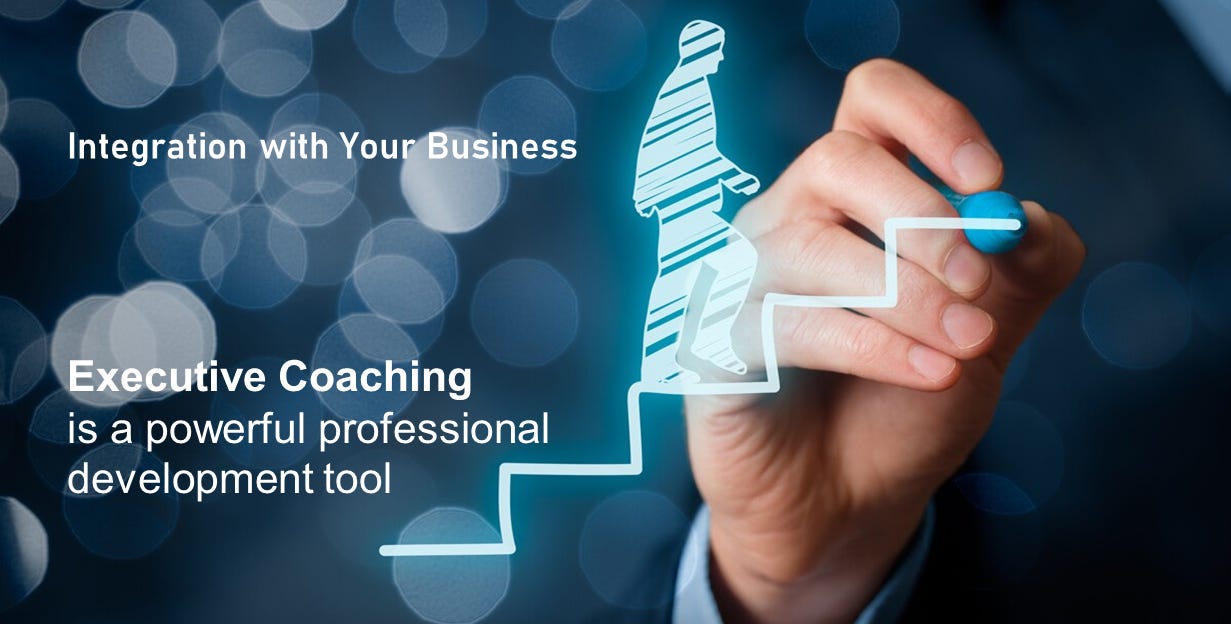
Executive coaching is a powerful professional development tool that involves one-on-one or group sessions led by an executive coach. These sessions aim to guide and support clients—typically leaders and executives—through professional challenges and opportunities. Here’s a breakdown of executive coaching:
1. What is Executive Coaching?
Definition: Executive coaching consists of thought-provoking discussions that help clients improve critical thinking, problem-solving abilities, leadership skills, and self-awareness.
Purpose: To transform individuals into high-performing leaders by addressing blind spots, changing limiting behaviors, and enhancing overall effectiveness.
Areas Covered: Psychology, business, motivation, and leadership skills.
Delivery: Sessions can be conducted one-on-one or virtually via the Internet.
2. Who is an Executive Coach?
An executive coach is a trained professional who collaborates with leaders and teams.They identify obstacles to success, develop leadership skills, and help clients achieve their goals.
3. Benefits of Executive Coaching:
Strengthening leadership skills.
Exposing blind spots.
Enhancing decision-making abilities.
Transforming limiting beliefs and behaviors.
4. Types of Executive Coaching:
Leadership Coaching: Focused on specific leadership skills (e.g., conflict resolution, developing others).
Business Coaching: Concentrates on business growth and success factors.
5. How to Become an Executive Coach:
Gain Experience: Having at least 10 years of leadership experience is beneficial.
Credentials: Consider pursuing coaching certifications or training programs.
Client Acquisition: Learn how to attract and retain clients.
Time Management: Balance coaching hours and other responsibilities.
6. Examples of Executive Coaching Scenarios:
Developing key talent for broader leadership positions.
Guiding career shifts.
Addressing communication hurdles.
Improving conflict resolution abilities.
Remember, executive coaching requires ongoing effort, but it can be a rewarding career path. If you’re interested, explore certification programs and build your coaching skills.
Coaching techniques
Here are some effective coaching techniques that skilled coaches use to guide their clients toward growth and success:
1. Pre-session Check-in and Questionnaire:
Before each coaching session, have clients mentally prepare by reflecting on their progress, wins, and challenges. Use a simple questionnaire to gather information efficiently, allowing clients to express their struggles and roadblocks.
2. Active Listening:
Pay close attention to what clients say, both verbally and non-verbally. Show empathy, validate feelings, and ask clarifying questions to deepen understanding.
3. Powerful Questions:
Ask open-ended questions that encourage self-reflection and exploration. Examples: “What would success look like for you?” or “What’s holding you back?”
4. Goal Setting:
Collaborate with clients to set clear, specific, and achievable goals. Break down larger goals into smaller, actionable steps.
5. Feedback and Feedforward:
Provide constructive feedback on clients’ actions and progress. Offer forward-focused suggestions for improvement.
6. Visualization and Imagery:
Help clients create vivid mental images of their desired outcomes. Visualization enhances motivation and goal attainment.
7. Strengths-Based Approach:
Identify and leverage clients’ strengths. and encourage them to build on what they do well
8. Socratic Questioning:
Encourage critical thinking by asking thought-provoking questions. Challenge assumptions and explore alternative perspectives.
9. Action Planning:
Co-create action plans with clients. Specify tasks, deadlines, and accountability measures.
10. Role-Playing and Simulations:
Practice real-life scenarios to build skills and confidence. Role-play challenging conversations or decision-making situations.
11. Mindfulness and Self-Reflection:
Help clients become aware of their thoughts, emotions, and behaviors. Foster self-awareness and self-regulation.
Remember, coaching techniques vary based on the context (e.g., workplace, life coaching) and the client’s needs. As you explore coaching, adapt these techniques to suit your style and the goals of your clients.
Conclusion
Executive coaching is a professional development process designed to help executives improve their leadership skills, performance, and overall effectiveness in their roles. It involves working one-on-one with a trained coach who provides guidance, support, and feedback to help the executive reach their full potential. Remember that coaching techniques vary depending on the context (e.g., workplace, life coaching) and the needs of the client. When delving into coaching, adjust these techniques to align with your own style and the objectives of your clients.
Through a series of structured sessions, the coach helps the executive identify their strengths and weaknesses, set goals, and develop strategies to enhance their leadership capabilities. Executive coaching is a valuable tool for leaders looking to grow and excel in their roles.
https://open.substack.com/pub/skmahbub/p/executive-coaching?r=qti7r&utm_campaign=post&utm_medium=email